
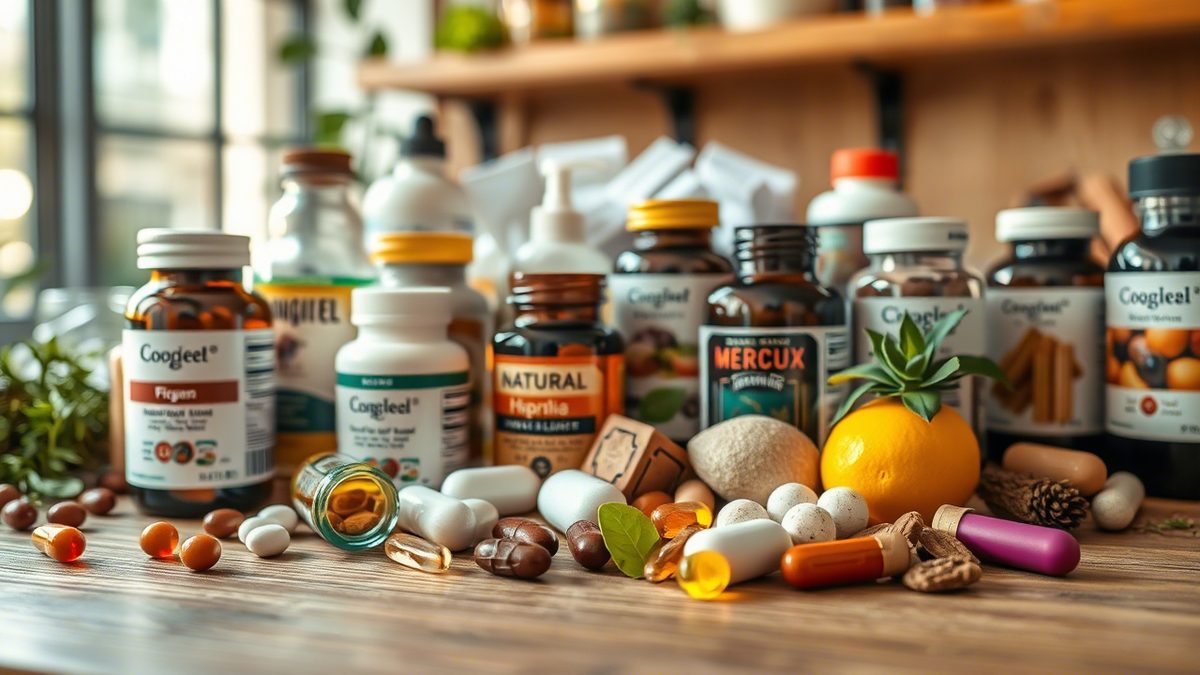
People often ask me for the "natural" way to gain weight, and they usually mean one of two things. Either they want to avoid anything that feels like a drug, or they have seen bodybuilders chugging shakes and want no part of that. Both are fair. The good news is that the safest way to gain weight is also the most natural one: eat more of the right foods, more often, and give your body a reason to build muscle. Supplements play a supporting role, not the lead.
Why food comes first
Food gives you calories, protein, fiber, vitamins and minerals all in one package, and it keeps you full and satisfied in a way powders rarely do. A supplement can fill a gap, but it cannot replace a meal. If you lean on shakes alone, you often end up with a bigger number on the scale and less energy, not more.
The Dietary Guidelines for Americans are written for everyone, not just people trying to lose weight. The same building blocks apply: grains, protein foods, dairy or fortified alternatives, fruits, vegetables and healthy fats. You simply need larger portions and more frequent meals.
Easy ways to add calories without feeling stuffed
- Cook with healthy fats. A tablespoon of olive oil adds about 120 calories. Drizzle it on vegetables, pasta, rice and eggs.
- Choose denser foods. Granola instead of puffed cereal, avocado on toast, whole milk instead of skim, nuts instead of crackers.
- Drink some of your calories. Smoothies, milk and kefir go down more easily than another plate of food.
- Keep snacks within reach. Trail mix, cheese sticks, hummus, peanut butter on crackers. Eating every three hours adds up quickly.
- Do not fill up on water right before meals. Drink plenty during the day, but give your stomach room at mealtimes.
The natural supplements worth considering
Protein powder from a simple source
A single-ingredient whey, milk protein or pea protein is about as natural as a powder gets. It is just concentrated protein from food. Use it to bring your daily protein up to roughly 1.2 to 1.6 grams per kilogram of body weight if you are also doing strength training. Our comparison of whey and plant protein can help you choose.
Creatine
Creatine is made naturally in your body and found in meat and fish. As a supplement, 3 to 5 grams a day helps your muscles respond to training. It is one of the safest and best studied supplements for healthy adults. Read more on our creatine page.
Omega-3 fish oil, if you rarely eat fish
Omega-3s will not add weight in any meaningful amount, but they are a healthy fat many people lack. If you eat fish less than twice a week, a fish oil or algae oil supplement is a sensible addition. See fish oil vs algae oil.
Vitamin D, if you are low
Low vitamin D is common, especially in winter and in people who spend most of the day indoors. It is worth testing before you supplement. Our vitamin D guide covers dosing and forms.
Be careful with "natural" appetite boosters
Herbs marketed for appetite, such as fenugreek or ashwagandha blends, have limited evidence for weight gain. "Natural" also does not mean risk-free. Some herbs interact with medications, and some products have been found to contain hidden drugs. The National Institutes of Health has a clear explainer on using dietary supplements wisely that is worth five minutes of your time.
Red flags that mean see a doctor
- You are losing weight without trying.
- You have ongoing diarrhea, stomach pain or blood in your stool.
- You feel shaky, very thirsty, or you are urinating much more than usual.
- Your appetite has disappeared along with your interest in things you used to enjoy.
These can point to conditions that no supplement will fix, and treating them is often what finally lets the weight come back.
A one-week starter plan
- Add one extra snack between each meal.
- Swap one drink a day for a smoothie made with milk, fruit, oats and protein powder.
- Start 3 to 5 grams of creatine daily.
- Do two short strength sessions, even 20 minutes of push-ups, squats and lunges at home.
- Weigh in at the end of the week and adjust portions up if nothing changed.
The bottom line
Safe weight gain is steady, food-based and paired with strength work. Protein powder and creatine are the two supplements with the best track record, and the rest are optional depending on your diet. Start with food, add the basics, and give it time. For a closer look at the supplements themselves, see our article on the best supplements for gaining healthy weight.